When it comes to building a versatile wardrobe, the combination of shirts, blouses, and pants forms the foundation of countless outfits. These pieces are timeless staples that can be mixed and matched for any occasion — from casual outings and office days to dinner dates and formal events. But creating a balanced, polished look takes more than just grabbing random separates from your closet. It’s about understanding fit, proportion, texture, and styling techniques that elevate even the simplest pieces into something effortlessly chic.
If you’ve ever stared into your wardrobe wondering how to pair your tops and bottoms without feeling too plain or mismatched, this guide will give you practical tips to style them with confidence for any setting.
The first step to building a well-paired outfit is to consider where you’re going. Shirts, blouses, and pants are incredibly adaptable, but each setting calls for a different approach.
Casual Settings: Focus on comfort and simplicity. Think soft cotton shirts, relaxed blouses, and well-fitted jeans or chinos.
Office or Business Casual: Structured blouses and crisp button-downs paired with tailored trousers are perfect for professional settings.
Once you’ve identified the occasion, you can build the rest of your outfit around that theme.
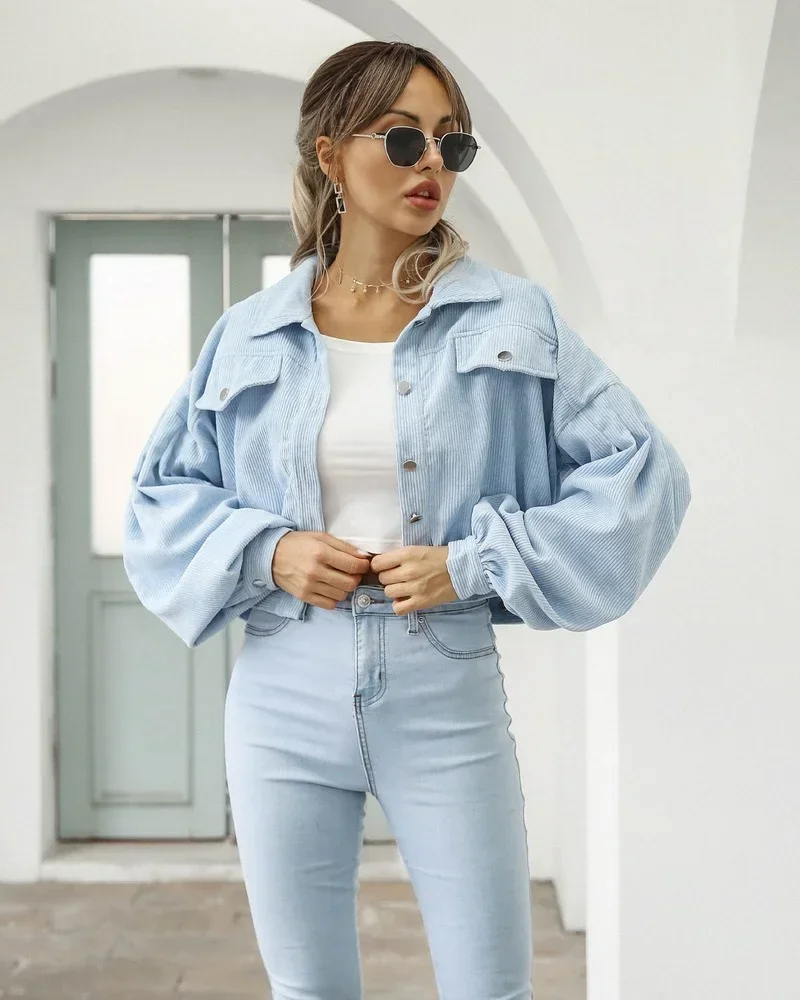
Proportion is one of the most important style rules when pairing shirts and pants. The goal is to create visual harmony — if one piece is loose or oversized, balance it with something more fitted on the other half.
If both pieces are too baggy, the outfit can appear shapeless. On the other hand, if both are tight, it might feel restrictive or unbalanced. The key is contrast.
A simple styling trick that instantly transforms an outfit is how you tuck your shirt or blouse. Tucking creates shape and structure, emphasizing your waist and polishing your look.
No Tuck: Great for flowy blouses and longer tops, especially when paired with skinny pants or leggings.
Layering can also add dimension. Try wearing a fitted turtleneck under a loose blouse or a blazer over a crisp shirt for a sophisticated layered effect.
Combining different textures and prints is a powerful way to make your outfit stand out without being too loud. The secret is balance — if one piece has a bold pattern, keep the other neutral.
Color can completely change the mood of your outfit. Whether you prefer timeless neutrals or bold contrasts, thoughtful color pairing is essential.
Accessories can elevate even the simplest shirt-and-pants outfit. They add personality and polish while tying the look together.
Belts: A well-chosen belt defines the waist and adds a stylish accent to high-waisted pants.
Jewelry: Minimalist gold or silver pieces work well for work settings, while bold statement necklaces or earrings add drama for evenings.
Try pairing a relaxed button-down with cropped jeans and sneakers. Add a crossbody bag and layered necklaces for a laid-back yet put-together vibe.
A crisp white shirt tucked into high-waisted trousers with loafers and a blazer never fails. It’s timeless, professional, and effortlessly chic.
Opt for a silky blouse with wide-leg pants and statement heels. Add bold earrings or a clutch for a touch of glam.
Monochrome pairings in structured fabrics, like a tailored blouse with cigarette pants and pointed heels, create a powerful and elegant statement.
The material of your shirt or pants plays a huge role in the final look and feel of your outfit. Here’s how to match them based on occasion: